

Sometimes, even after obtaining a business loan, you might find yourself needing extra funds. This can happen if you received less money than anticipated or if unexpected costs arise. In such situations, a second-lien loan could be a practical solution.
Here’s a detailed look at what you should know about this type of business financing.

Understanding Second-Lien Loans
A second-lien loan is a type of financing where the lender holds a secondary position in claiming repayment in case the borrower defaults or declares bankruptcy. This contrasts with a first-lien loan, which holds the primary position.
To better understand the concept of loan positioning, think of it in terms of homeownership. Obtaining a second-lien commercial loan is similar to taking out a home equity line of credit after securing a mortgage. In the event of foreclosure, the bank that provided the mortgage has the first claim on the property’s collateral. Similarly, with business loans, the lender of the first-lien loan has the primary right to use the collateral to recoup their losses. The lender of the second-lien loan can only claim any remaining collateral value after the first lender has been paid.
It’s also important to understand that liens can be attached to specific assets, such as equipment or property, or they can be blanket liens covering a broad range of a company’s assets and possibly any personal assets pledged as collateral.
Impact of Second-Position Loans on Lenders
A lender in the first-lien position has the primary right to recover its losses up to the total amount available from the collateral. In contrast, a second-lien lender must wait until the first-lien lender is fully compensated before accessing any remaining funds. This hierarchy increases the risk for secondary lenders, leading them to charge higher interest rates and offer shorter repayment terms to mitigate this risk.
While alternative lenders frequently accept second-position loans, these loans are also considered by larger financial institutions and hedge funds. When assessing a borrower for a second-position loan, lenders often take into account the identity of the lender providing the first loan. For example, if the first loan is issued by a major financial institution, it can enhance the borrower’s perceived creditworthiness, making them a more attractive candidate for a second-lien loan.
This layered approach to lending means that second-lien loans are typically scrutinized more carefully, with lenders evaluating both the borrower’s financial health and the strength of the relationship with the first-lien lender. This comprehensive assessment helps secondary lenders manage the inherent risks associated with their subordinated position.

Reasons to Consider Applying for a Second Small Business Loan
There are various reasons why you might need additional funding for your business, whether through a second-lien term loan or other supplementary financing options. Sometimes, unconventional methods such as a merchant cash advance are considered for quick access to funds, especially if meeting traditional bank loan requirements for secondary financing is difficult. Here are some common reasons small business owners pursue second-position loans:
Could Your Business Benefit from Additional Capital?
Bridging Funding Gaps
In certain situations, you might seek additional financing to boost your short-term working capital. For example, if your business is experiencing a temporary decline in sales, you may need extra funds to cover essential expenses such as rent, payroll, or unforeseen costs.
Securing another loan can help bridge the gap during these periods of reduced revenue, ensuring that your operations continue smoothly. This approach can provide the necessary liquidity to maintain business stability and meet financial obligations until your sales rebound. By having access to short-term working capital, you can better manage cash flow challenges and keep your business on track during temporary downturns.
Funding Growth Opportunities
Occasionally, time-sensitive opportunities arise that have the potential to significantly boost your company’s growth. Whether it’s a chance to purchase discounted bulk inventory, acquire a competitor, or invest in new technology, these opportunities often require substantial capital. In such cases, securing a second loan can provide the necessary funds to capitalize on these lucrative ventures.
By obtaining additional financing, you can quickly respond to these promising opportunities without disrupting your existing cash flow or financial stability. This strategic move allows you to leverage new investments that could lead to increased market share, enhanced operational efficiency, or expanded product offerings. Having the financial flexibility to seize these moments can be a pivotal factor in driving your company’s long-term success and competitiveness.
Investing in Real Estate
If you own commercial real estate, there may come a time when you need additional funds beyond what your initial mortgage provides. For instance, if unexpected renovation expenses surpass your initial budget and you need more capital to invest in your property, you might consider applying for a second-position hard money loan.
This type of loan can provide quick access to the necessary funds, allowing you to address unforeseen costs without delaying your project. Whether it’s for major repairs, upgrades, or expanding your facilities, a second-position hard money loan offers a practical solution for covering extra expenses related to your commercial property. By securing this additional financing, you can ensure that your property remains in top condition and continues to meet the needs of your business.
Equipment Purchase Financing
Depending on your industry, the costs of equipment can add up rapidly, whether it’s for company vehicles, manufacturing machinery, or business technology. If you’re planning to upgrade your existing equipment or acquire new machinery, applying for a secondary loan can help cover these significant expenses.
Securing additional financing can provide the necessary capital to invest in the latest technology or more efficient machinery, ensuring that your operations remain competitive and productive. This strategic move can also help you keep up with industry standards, improve service delivery, and potentially reduce long-term operational costs. By obtaining a secondary loan, you can manage the financial burden of these essential investments without straining your company’s cash flow.
-
Is Taking Out Another Business Loan a Wise Decision?
When considering secondary loans, it’s essential to evaluate the potential return on investment (ROI) they can generate for your business. Understanding how to calculate the ROI of a business loan is key to determining its profitability and the benefits it could bring.
Start by estimating the additional revenue or savings the loan will help you achieve. Subtract the total cost of the loan, including interest and fees, from this amount. Divide the result by the loan’s cost to get the ROI.
For example, if a loan allows you to purchase new equipment that boosts production efficiency, leading to increased sales or reduced operational costs, the resulting profit should be factored into your ROI calculation.
Assessing this profitability helps you determine how the loan can drive your company’s growth and whether the financial commitment is justified. By carefully analyzing the ROI, you can make informed decisions that propel your business forward.
Factors Lenders Consider When Deciding on a Second-Position Loan Amount
During the due diligence process, second-lien lenders typically evaluate similar metrics to those assessed by first-lien lenders. These metrics include credit score, revenue, debt-to-income ratio, and cash flow. Additionally, when considering specific assets used as collateral, second-lien lenders assess the remaining equity after the obligations of the first-lien lender have been met.
For instance, if a business owner has a $250,000 loan on a building valued at $500,000, there would be $250,000 in equity available. If the owner seeks a second-lien loan using the same property as collateral, the lender will consider this equity when determining the loan terms.
Lenders also evaluate potential risks, such as fluctuations in the property’s value and the costs associated with asset liquidation. To mitigate these risks associated with being in the second-lien position, the lender may offer a loan amount based on a portion of the remaining equity. In our example, this might result in a loan offer of $125,000, representing half of the available equity.
This thorough evaluation helps second-lien lenders balance the risks and rewards, ensuring they can provide financing while protecting their interests.
Drawbacks of Second-Position Loans for Borrowers
While taking out a second-position loan could make sense for your business, here are a few things to consider:
Higher Interest Rate
Second-position lenders usually charge higher interest rates compared to first-lien loans, although these rates tend to be lower than those for unsecured loans with similar terms.
According to Tyler Mulligan, a faculty member at The University of North Carolina at Chapel Hill’s School of Government, second-lien commercial loans may carry interest rates that are 100-300 basis points higher than first-lien loans. On the other hand, unsecured loans, which lack liens or collateral, might have interest rates that are 300-400 basis points higher than first-lien loans.
Although Mulligan’s article mainly discusses local governments as lenders, it offers valuable insight into the considerable interest rate increases associated with second-lien business loans. This highlights the cost implications of securing additional financing through a second lien compared to other borrowing options.
Shorter Payment Term
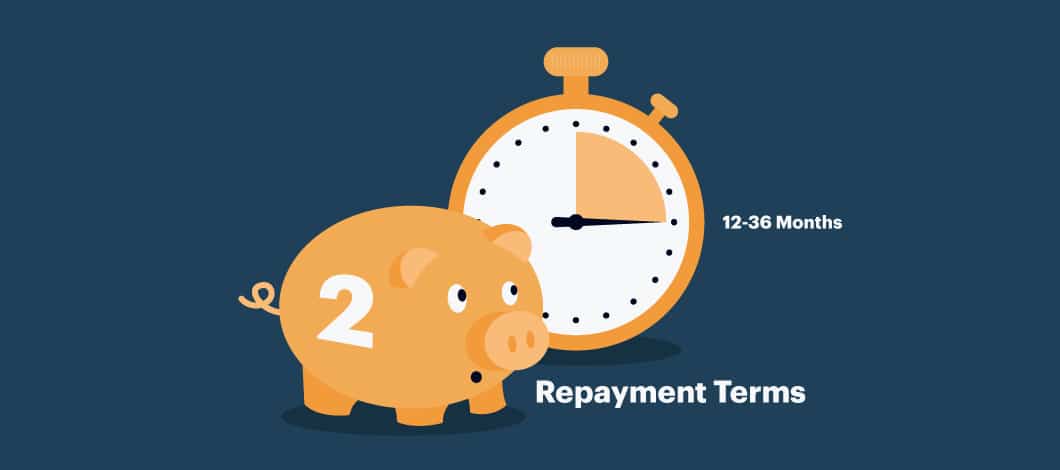
Lenders of second-lien loans typically mitigate their risks by requiring shorter repayment terms compared to first-lien loans. According to PNC Bank, repayment terms for second-lien loans generally range from 12 to 36 months.
This shorter timeframe helps lenders manage the increased risk associated with their secondary position, ensuring that the loan is repaid more quickly. Consequently, borrowers must be prepared for a more accelerated repayment schedule when opting for a second-lien loan.
Cash Flow Stress
Taking out multiple loans can place significant strain on a business’s cash flow. This is especially true when stacking business loans, where a second-lien loan is followed by a third or even fourth-lien loan, each requiring regular periodic repayments. Managing multiple loans simultaneously can lead to financial stress, as the cumulative repayment obligations can become overwhelming, potentially impacting the business’s ability to operate smoothly and meet other financial commitments.
Potential Contract Breach
When considering a second-position business loan, it’s essential to ensure that obtaining additional financing aligns with the terms of your existing first-lien loan agreement.
For instance, some lenders include clauses in their agreements requiring approval if the borrower seeks to secure a secondary loan. Violating these terms could result in the lender demanding immediate full repayment of the initial loan. Therefore, it’s crucial to review your current loan contract and consult with your lender to avoid any potential breaches.
Alternatives to Taking Out Multiple Business Loans
When seeking financing, keep in mind that a second-lien loan is not your only option. You can consider refinancing your existing debt with your current lender or a new one to better manage your financial obligations. Additionally, you may explore small business grants or seek investments from business investors to secure the necessary capital. Exploring these alternatives can provide you with a variety of solutions to meet your financial needs.
Related: How to Refinance a Business Loan