

For small business owners wondering, “What is the cost of a business loan?” the answer can vary significantly due to several key factors. These factors include the type of loan, the intended use of the funds, the interest rate applied, and other related expenses.
While there isn’t a universal answer, it’s crucial to grasp the various loan fees and the overall cost throughout the loan’s term.
Here’s a detailed look at what you need to understand about typical loan expenses, the elements influencing interest rates, and additional considerations.
Understanding the Costs of Small Business Loans
To start, annual percentage rate (APR), interest rate and fees are factors to consider when you’re determining the true cost of a loan. Here’s an overview of each.
Annual Percentage Rate
When assessing the cost of financing, a useful initial metric is the annual percentage rate (APR).
The APR reflects the yearly cost of borrowing, encompassing not just the interest rate but also standard loan fees, such as processing and origination fees.
This makes the APR a valuable tool for gaining a holistic understanding of the total financing cost.
However, it’s important to note that while annualizing the loan provides a clear basis for evaluating and comparing rates on long-term loans, it is not the most effective method for short-term financing. Specifically, calculating the APR of a loan with a term of 6 months or less does not offer an accurate measure of its cost.
To sum up, while APR is an essential figure for understanding long-term borrowing expenses, alternative metrics should be used for short-term loans to gain a true picture of their cost.
Interest Rate
Interest rates can vary significantly based on the lender, type of financing, borrower’s credit history, and, in the case of secured loans, the down payment or collateral provided.
Traditional lenders, such as banks and credit unions, typically offer competitive rates to qualified applicants. However, their approval criteria can be stringent, often requiring collateral and a high credit score.
Small Business Administration (SBA) loans are known for their interest rate caps and competitive rates. Nonetheless, they can come with additional fees, and collateral is usually required.
Alternative business loans have more lenient approval requirements compared to conventional bank loans, making them accessible to a broader range of borrowers. However, this higher risk translates to higher interest rates.
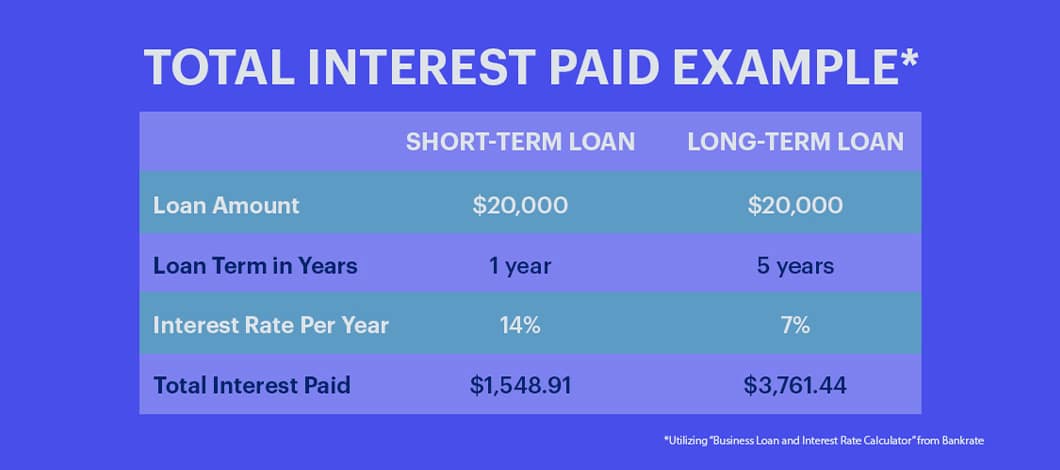
For example, short-term loans from alternative lenders can carry double-digit interest rates, while long-term loans from banks might offer rates in the single digits.
It’s also important to consider that even with a lower interest rate, the total interest cost over the life of a long-term loan can be higher. This is due to the extended repayment period, which accumulates more interest over time.
Fixed vs. Variable Interest Rates
When evaluating a loan’s interest rate, it’s crucial to understand the difference between fixed and variable interest rates.
A fixed interest rate remains constant throughout the loan term, ensuring that your monthly payments do not change. This stability makes it easier to budget and plan for future expenses.
In contrast, a variable interest rate can fluctuate over the duration of the loan. These changes are typically tied to market interest rates, such as the prime rate, causing the loan’s interest rate to adjust accordingly.
Opting for a variable rate introduces a level of risk. An initially affordable loan could become more expensive if market rates increase. Conversely, if market interest rates decline, your payments could decrease. However, it’s important to note that lenders often impose limits on how low a variable interest rate can drop.
It’s essential to refer to your loan terms to understand the frequency and conditions under which variable interest rate changes can occur. This will help you assess the potential impact on your financial situation and make an informed decision about whether a fixed or variable rate is more suitable for your needs.
Loan Fees
When considering a loan, be aware of additional fees that may be added to your total cost. It’s important to note that some of these fees might not be included in the APR. These fees can vary by lender and loan type and may include the following:
Origination Fee: This is a percentage-based fee charged by the lender to secure and service your loan. It typically ranges from 0.5% to 1% but can go as high as 6% to 8%, depending on the loan term and your credit score.
Business Loan Processing Fee: Also known as an underwriting fee, this may or may not be included in the origination fee. It covers the cost of assessing the risk of your loan and your creditworthiness and can be either a flat fee or a percentage of the loan amount.
Loan Application Fee: An upfront fee charged by some lenders to process your loan application, which can be up to $500.
Referral Fee: Online lending marketplaces may charge a one-time fee for referring you to one of their lending partners. For instance, SmartBiz charges a referral fee of up to 2% for SBA loans and up to 3% for non-SBA loans.
Loan Packaging Fee: Some online lending marketplaces charge a fee for preparing your loan application for lender review.
Closing Costs: If you’re taking out a commercial real estate loan, you will incur closing costs, including attorney fees, recording fees, and appraisal fees. According to Quicken Loans, these costs average 3% to 6% of the purchase price.
Appraisal Fee: If you’re using loan funds to purchase property or equipment, you may need to pay an appraisal fee, typically between $300 and $500, though this may be included in closing costs.
SBA Guarantee Fees: For SBA loans, you may be responsible for a fee of up to 3.75% of the loan amount, depending on the total funding and loan type.
Late Payment Fees: A flat fee, often ranging from $25 to $50, charged for making a loan payment past its due date.
Invoice Factoring Fees: These may include documentation fees, setup fees (usually 3% upon initial account opening), and lockbox fees (ranging from $50 to $500 for depositing checks into a lockbox).
Prepayment Penalties: A fee, typically a percentage of the loan amount, charged if you pay off your loan before the end of the term. This is common with commercial real estate loans and SBA loans.
Administrative Fees: Some lenders may charge a monthly administrative fee and/or an annual fee. Be cautious of lenders who impose these fees, as they can add up over time.
Understanding these additional costs is crucial when evaluating the true cost of a loan. Make sure to review all terms and fees thoroughly to make an informed decision.
Factors Impacting Small Business Loan Costs
There are conditions and factors that influence the cost of a business loan.
Credit Score
Your credit score is a critical indicator of your reliability as a borrower, directly influencing the interest rates and terms you can secure on a loan. Generally, a lower credit score results in less favorable rates and terms, while a higher score can help you qualify for better offers.
For competitive loans from traditional banks, a credit score of 700 or higher is typically required. This higher score indicates a strong credit history and reduces the lender’s risk, allowing them to offer lower interest rates and more favorable loan terms.
For Small Business Administration (SBA) loans, the required credit score is usually lower, with a minimum of 620. This slightly more lenient requirement reflects the SBA’s goal of supporting small businesses, though the interest rates and terms remain competitive.
Alternative financing options, such as online lenders and fintech companies, often have more relaxed approval criteria. These lenders may accept credit scores as low as 500, making them accessible to a broader range of borrowers. However, this increased risk to the lender translates into significantly higher interest rates compared to conventional loans.
Revenue
Revenue provides lenders with a clear view of your business’s financial health and its ability to manage debt. When evaluating your loan application, lenders closely examine your revenue to determine several key aspects: the loan amount you qualify for, the type of loan best suited to your needs, the interest rate, and the repayment terms.
The loan amount is often directly influenced by your revenue, as higher earnings can justify a larger loan. Lenders want to ensure that your business generates enough income to comfortably cover loan payments.
The type of loan offered can also depend on your revenue. For example, a business with consistent, high revenue may qualify for traditional term loans with lower interest rates and longer repayment periods. In contrast, businesses with more variable revenue streams might be steered towards lines of credit or short-term loans, which can have higher interest rates but offer greater flexibility.
Interest rates are significantly impacted by your revenue as well. Steady and robust revenue suggests lower risk for the lender, which can result in more favorable interest rates. Conversely, irregular or lower revenue may lead to higher interest rates to compensate for the increased risk.
Repayment terms are tailored to match your revenue cycle. Lenders aim to structure repayment schedules that align with your business’s cash flow patterns, ensuring you can meet your obligations without financial strain. This customization helps prevent missed payments and defaults, which can further affect the overall cost of the loan.
Collateral
Many traditional loans necessitate borrowers to provide collateral to secure the loan. Collateral can encompass a wide range of assets, including real estate, equipment, inventory, and accounts receivable.
Offering collateral has several advantages. By securing your loan with valuable assets, you often qualify for lower interest rates and higher borrowing limits. This arrangement is beneficial for both the borrower and the lender. For the borrower, it means more affordable loan terms and access to greater funds. For the lender, collateral mitigates risk because they can seize the pledged assets if the borrower defaults on the loan.
Real estate, such as commercial properties or personal homes, is a common form of collateral due to its substantial value and stability. Equipment, especially if your business relies heavily on machinery or technology, can also serve as collateral. This includes anything from manufacturing machines to office computers.
Invoices and accounts receivable are other valuable forms of collateral, particularly for businesses with significant outstanding payments from clients. By using these receivables as collateral, businesses can unlock immediate cash flow to fund their operations or growth.
Inventory, which encompasses the goods you sell or use to produce products, can also be leveraged as collateral. This is particularly useful for retail businesses or manufacturers with substantial stock.
Time
While lenders will certainly consider your time in business when reviewing your loan application, two other time-related factors can significantly impact your loan costs: the application process duration and the repayment period.
Application Process Duration: Conventional bank loans and SBA loans, which generally offer the most competitive interest rates and favorable terms, often require a lengthy application process. This process can take several weeks to even a few months. If you meet the minimum qualifications and do not need immediate access to funds, investing the time in applying for these loans can be beneficial. The reward for your patience is often a lower interest rate and reduced monthly payments, making it a worthwhile endeavor for those who qualify.
Repayment Period: The length of your loan’s repayment term also plays a crucial role in determining your loan costs. Typically, short-term loans come with higher interest rates and require more frequent installment payments than long-term loans. These loans are designed to be paid off quickly, which can be advantageous if you need immediate funding and can manage the higher repayment amounts.
However, it is important to remember that while long-term loans usually feature lower monthly payments, they can sometimes result in higher total interest costs over the life of the loan. This is because interest accrues over a longer period. Therefore, it’s essential to balance the immediate affordability of short-term loans with the potentially lower total cost of long-term financing.
Loan Amount
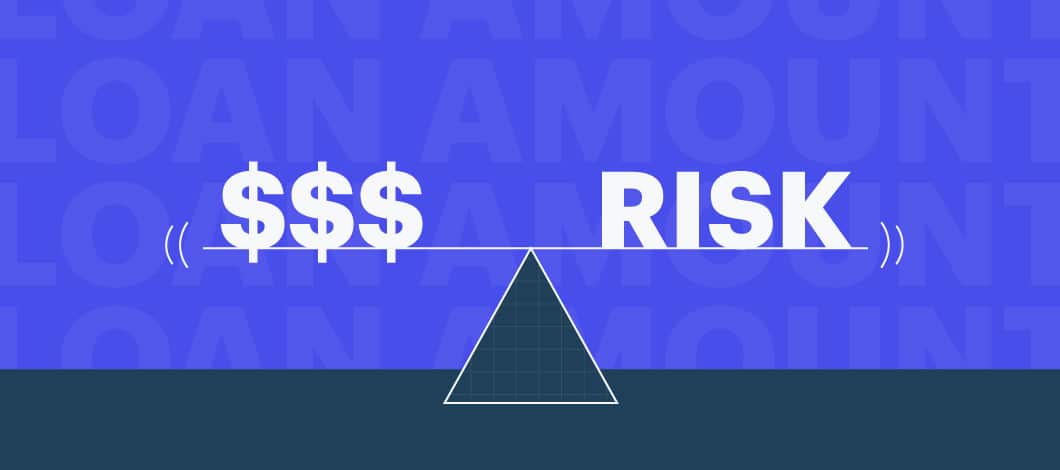
When seeking financing through small business bank loans or SBA loans, the loan amount you request is another crucial factor that can influence your overall cost of borrowing. Consider it this way: the larger the loan amount, the greater the risk for lenders. This is where providing collateral becomes beneficial.
Collateral, such as real estate, equipment, inventory, or accounts receivable, can significantly mitigate the lender’s risk by offering a tangible asset that can be seized in case of default. By pledging valuable collateral, you can often secure a higher loan amount at a lower interest rate, as the lender’s risk is reduced.
Additionally, the loan amount can affect not only the interest rate but also the loan terms. Larger loans might come with stricter repayment schedules and higher scrutiny during the application process. However, the trade-off is that with collateral, you are more likely to receive favorable terms, including potentially lower monthly payments and a more extended repayment period.
Reason for Borrowing
The purpose of your loan, or how you plan to use the funds, can significantly impact the terms and conditions of your business loan.
For example, startup business loans are generally viewed as higher risk by most lenders due to the uncertainty and lack of established revenue streams. As a result, these loans often come with higher interest rates and stricter terms to compensate for the increased risk.
On the other hand, equipment financing typically offers more favorable terms because the equipment itself serves as collateral. This arrangement reduces the lender’s risk, allowing them to offer lower interest rates and better terms. The collateral provided by the equipment ensures that if you default on the loan, the lender can recover their losses by seizing and selling the equipment.
Therefore, clearly defining the purpose of your loan and understanding how it affects the risk perception of lenders can help you secure better loan terms and lower your overall cost of financing.
Comparing Small Business Loan Costs Before Making a Decision
A small business loan always entails various costs. To fully grasp the financial impact of such a loan, it is wise to use a business loan repayment calculator.
These calculators provide clear answers to critical questions like “How much can I borrow?” For example, by using a business term loan repayment calculator, you can determine that a loan of $225,000 over 36 months at an interest rate of 9% would require approximately $7,155 in monthly payments.
An important feature of these calculators is the “total interest paid” section, which shows how much you will pay in interest over the life of the loan. In our example, the borrower would pay nearly $32,580 in interest.
Before committing to a loan, it’s crucial to compare the total costs from different loan offers to identify the most affordable option. By doing so, you ensure that you choose the best small business loan for your needs, making an informed decision after thorough research.
Frequently Asked Questions
When it comes to the cost of small business financing, here are a few answers to questions you might be asking.
What Is the Average Interest Rate of Small Business Loans?
The COVID-19 pandemic significantly affected small businesses. According to U.S. banks, commercial and industrial (C&I) loan originations surged by over 930% year over year in the second quarter of 2020.
In the second quarter of 2021, weighted average fixed and variable interest rates for C&I term loans and lines of credit ranged from 2.54% to 7.02%. This decrease in interest rates is largely attributed to the impact of the Paycheck Protection Program (PPP), which offered loans at a rate as low as 1%.

What Is a Good Interest Rate?
According to Forbes, a favorable business loan interest rate is typically below 10%. However, it’s essential to consider factors that could lead lenders to charge a higher rate. Evaluate the return on investment from the approved financing to determine its suitability for your business. Ultimately, if the financing available to you carries an interest rate above 10% but is necessary to propel your business forward, it may still be a beneficial rate for your specific needs.
What Is the Most Affordable Type of Financing?
SBA loans and conventional loans are some of the most cost-effective financing choices for small business owners. For instance, banks offer conventional small business loan interest rates starting as low as 2%-3% for highly qualified borrowers. SBA 7(a) loans, which are available for amounts over $50,000 with repayment terms exceeding 7 years, are capped at a maximum interest rate of 5.5%.
What Is the Most Costly Type of Financing?
Merchant cash advances are often regarded as one of the priciest options for business financing. This short-term funding type typically requires approved applicants to authorize daily bank account withdrawals for repayment.
Instead of an interest rate, merchant cash advances use a factor rate, calculated once at the loan’s outset and remaining fixed throughout its term (unlike adjustable interest rates).
Many business owners, including those with poor credit, qualify for merchant cash advances, making them a popular choice for entrepreneurs needing quick capital injections despite higher costs. In fact, according to the Federal Reserve Banks’ State of Small Business Credit report, 84% of firms applying for this financing were approved.