
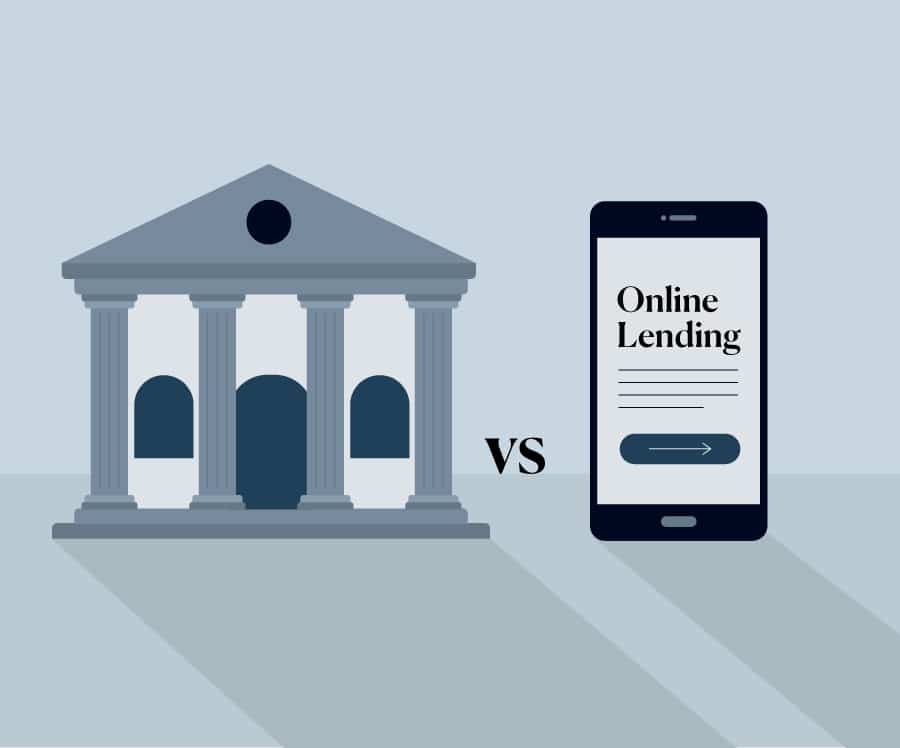

When your business requires capital, selecting the appropriate financing option is crucial. The primary choices often boil down to two: fast funding or traditional loans. Fast funding provides immediate access to cash, whereas traditional loans involve a more extended approval process but typically offer better interest rates and longer repayment terms. Understanding the nuances of each can help you make an informed decision that aligns with your business needs and financial health.
The Importance of Timing in Business Financing
Timing plays a pivotal role in determining the suitable financing option. For instance, if a critical piece of equipment breaks down unexpectedly, waiting several weeks for a traditional bank loan may not be feasible. In such scenarios, short-term business loans can be invaluable, offering quick access to funds to address urgent needs, maintain operations, or capitalize on unforeseen opportunities.
Conversely, for planned initiatives like renovating your premises or expanding to a new location, traditional loans might be more appropriate. Despite the longer approval process, these loans often come with lower interest rates and favorable repayment terms, resulting in significant savings over time. In such cases, the benefits of cost-effectiveness outweigh the drawbacks of delayed funding.
Characteristics of Fast Funding
Fast funding is designed for accessibility and speed. The application process is typically streamlined, with flexible requirements, allowing for approvals and fund disbursements within 24 to 48 hours. This type of financing is particularly advantageous for small businesses needing working capital on short notice, such as covering payroll, purchasing discounted inventory, or managing seasonal cash flow fluctuations.
Key features of fast funding include:
-
Online Applications: Minimal documentation is required, simplifying the process.
-
Rapid Approvals: Decisions are often made within hours.
-
Quick Disbursement: Funds may be available on the same day.
-
Short-Term Use: Ideal for immediate cash flow needs, short-term projects, or emergencies.
Understanding Traditional Loans
Traditional loans are typically offered by banks, credit unions, or through programs like the Small Business Administration (SBA). They are best suited for established businesses with strong credit histories and detailed business plans. Although the approval process is more rigorous and time-consuming, traditional loans are known for their lower interest rates and extended repayment periods.
Advantages of traditional loans include:
-
Lower Interest Rates: More affordable over the long term.
-
Extended Repayment Terms: Manageable monthly payments spread over several years.
-
Higher Loan Amounts: Suitable for substantial investments and long-term projects.
However, the stringent qualification criteria and longer processing times can be challenging for businesses needing immediate funds or those with less established credit profiles.
Evaluating Your Business Needs
To determine the most appropriate financing option, consider the following factors:
-
Urgency of Funds: Assess how quickly you need the capital. Immediate needs may necessitate fast funding, while planned projects can accommodate the longer timelines of traditional loans.
-
Purpose of the Loan: Short-term needs like bridging cash flow gaps may align better with fast funding, whereas long-term investments are more suited to traditional loans.
-
Financial Health: Evaluate your credit score, revenue stability, and existing debt obligations. Strong financials may qualify you for favorable terms with traditional lenders.
-
Repayment Capacity: Ensure that your projected cash flow can comfortably meet the repayment terms of the chosen financing option.
Pros and Cons of Each Option
| Aspect | Fast Funding | Traditional Loans |
|---|---|---|
| Speed | Rapid approval and funding, often within 24–48 hours. | Lengthy approval process, potentially taking weeks or months. |
| Interest Rates | Higher rates due to increased risk and convenience. | Lower rates reflecting thorough vetting and lower risk. |
| Repayment Terms | Shorter terms with more frequent payments, which may impact cash flow. | Longer terms with manageable monthly payments. |
| Qualification | Flexible criteria, accommodating businesses with varied credit profiles. | Strict requirements, favoring businesses with strong credit histories and substantial collateral. |
| Loan Amounts | Generally lower amounts suitable for immediate, smaller needs. | Higher amounts available for significant investments and long-term projects. |
Making the Right Choice
Selecting between fast funding and traditional loans depends on your specific business circumstances. If you require immediate capital to address urgent needs or seize time-sensitive opportunities, fast funding may be the appropriate choice. However, for planned, substantial investments where cost-effectiveness is a priority, traditional loans offer advantages that can benefit your business in the long run.
It’s essential to thoroughly assess your business’s financial situation, understand the terms and implications of each financing option, and consult with financial advisors if necessary. By doing so, you can choose the financing solution that best supports your business objectives and ensures sustainable growth.
Making the Smart Financial Move
Both fast funding and traditional loans have their place in business financing. Understanding their respective features, benefits, and drawbacks enables you to make informed decisions that align with your business needs and financial goals. Careful evaluation and strategic planning are key to leveraging the right financing at the right time, ultimately contributing to your business’s success and stability.